How does drinking water treatment work start to finish?
Key Highlights
- Water treatment begins with sourcing from lakes, rivers, or underground aquifers, which are then screened to remove large debris and sediments.
- Filtration methods like softening and activated carbon improve water taste, reduce hardness, and eliminate odors and chemicals such as chlorine and pesticides.
- Advanced technologies such as reverse osmosis, nanofiltration, and UV disinfection are employed to remove microplastics, heavy metals, and harmful microorganisms.
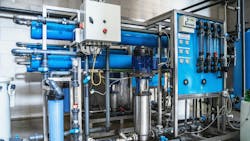
How is drinking water treated? The drinking water treatment process can vary across the world and even between countries. It all depends on infrastructure development, advancement of technology and resource access. However, there are some steps that remain the same throughout most operations. For those dedicated to understanding the effort and equipment required to provide water, how does drinking water treatment work from start to finish?
Source water intake
The first of many steps of the water purification process is simply finding a reserve. Experts must find a reliable and plentiful source to draw from, whether it is a private well or a naturally forming underground aquifer. It could also be a lake, river or other reservoir.
Households and businesses rely on these locations without acknowledging them, as all municipal supply infrastructure connects to them. The source will determine the level and intensity of treatment, as every location poses distinct pollutants and contaminants.
Initial screening and sediment filtration
Once water travels through the necessary channels, it hits its first barrier. A screen or filter is introduced this early because it separates larger sediment, objects, rust and other sizable contaminants, so later stages of the drinking water treatment process can tackle more complex issues.
Filtration media is becoming increasingly diverse and effective as experts explore materials such as surface-modified clays and granular activated carbon. If the larger particles remained, subsequent steps would be less effective. This preserves the efficacy of later filtration and purification methods, allowing them to target more and remain effective for longer periods.

Water softening for hardness minerals
Mineral-dense water is less desirable, depending on the application. For drinking water, it is not ideal. Many regions endure hard water, which leaves trace amounts of calcium and magnesium on their faucets, sinks and pipes. Softeners are part of the treatment process because they remove these pain points with ion exchange, replacing harsh minerals with softer sodium ions.
Preventing scale is vital for making the water taste and feel better, but its practical advantages are invaluable. Treating water with a softener prevents buildup and helps equipment last longer, as minerals can expedite degradation.
The impacts of gradual scale buildup are often invisible, as they erode underground pipes or cause inefficiencies in water delivery. The average leaky faucet dripping once per second can waste 2,028 gallons of water annually, illustrating the significant impact of these oversights. Integrating softening preserves water quality while making it more appealing to the general public.
Activated carbon filtration for taste and odor
The drinking water treatment process steps into a more curated cleaning approach by using activated carbon. While contaminant removal is crucial for the water’s purity and quality, its taste, odor and appearance also matter significantly. Without tending to these seemingly superficial traits, customers and clients may start to distrust the treatment sector, even if the water is completely drinkable.
Activated carbon filtration works due to its natural adsorption properties. It takes contaminants and adheres them to its surface. This includes everything from chlorine to pesticides, among numerous others.
Advanced filtration
Eventually, more advanced filtration technologies will be necessary. Novel contaminants like microplastics are present in 81% of worldwide water samples, indicating that new strategies are necessary to prevent public health crises. The reason treatment requires so many steps and tactics is that only certain materials are capable of removing specific contaminants. There is no one-size-fits-all solution, so a multipronged approach with multiple filters, purification methods and disinfectants is essential.
Reverse osmosis and nanofiltration are some of the most effective modern solutions available. They use a membrane-like filter to pressurize water until only the clearest liquid remains. The membranes have extremely small pores, allowing water to pass through while capturing pollutants with adverse health effects like lead and arsenic.
Ultraviolet (UV) disinfection for microbial safety
Microorganisms are another prominent concern. Waterborne illnesses are extremely common worldwide, often spreading through communities due to inadequate water treatment. Advanced solutions like UV disinfection take care of them. Other filters prior to this stage may catch some contaminants, but adding UV delivers additional peace of mind by eliminating any remaining ones.
Bacteria are one of the primary influences these tools catch. Water tests search for everything from Legionella to cholera, ensuring citizens can drink without fear. As water goes through the UV chambers, the light alters the DNA of any dangerous bacteria and other microorganisms. Then, they become harmless.
UV is a desirable way to go about treating water because it does not rely on chemicals. The elimination removes additional steps from the purification and filtration process, as other tools do not need to target the microorganisms.
pH neutralization
Some water sources are more acidic than others, depending on their origin. Well water is known for having a lower pH level compared to other sources, forcing treatment technologies and experts to employ additional tactics. Households and commercial buildings must pay attention to the acidity of their water, as it could damage nearby pipes. Doing pH tests regularly can ensure consistency throughout the year and as the weather changes.
Neutralizers can raise the pH of the water being treated, making it less damaging to infrastructure and less harmful to people when consumed. This can be easily accomplished with another filter made of calcite or a blend.
Alternatively, industries like agriculture may find value in more acidic water for irrigation. Therefore, part of the treatment process involves ensuring that water of a certain quality reaches the most suitable regions. Sometimes, pH neutralization could have an adverse effect, depending on the use case.
Remineralization for health and taste
After reverse osmosis and other advanced filtration methods, sometimes water is remineralized. Some have negative side effects, such as scale formation. However, some minerals impart a characteristic flavor and added health benefits. Sometimes, filtration is so effective that it removes these ingredients from the water, so they need to be readded manually.
Storage and delivery
After potentially passing through a final filter, the water is then stored and distributed. In many modern circumstances, these are in massive, pressurized containers that deliver it as households and businesses request it. Most of them provide near-direct access to every area of a home, including refrigerators, sprinklers, showers and sinks.
This is an essential part of the treatment process because the pathways water must travel to reach its destination can introduce a medley of new contaminants if they are not carefully constructed and monitored. Aging infrastructure is a monumental problem worldwide, with some cities overhauling thousands of miles of water mains and hydrants to ensure the safety of their citizens. Therefore, part of the treatment is monitoring. Sensor-based technologies and automation are greatly assisting households in obtaining high-quality water.
Why advanced water treatment is a necessity
Those interested in residential water treatment technologies need to understand the vast infrastructure and technological diversity that make it possible to appreciate it fully. The sector is only going to become more advanced as it tackles new contaminants and challenges.
Spreading awareness of how these components contribute to a holistic treatment process can help everyone — families and water workers alike — to treat the environment more effectively. This will only help facilities and household treatment appliances work more efficiently, preserving quality and eliminating scarcity for all.
About the Author
Emily Newton
Emily Newton is the editor in chief of Revolutionized, a popular science publication that dives into the latest innovations in science, technology and industry.