New Jersey issues statewide drought warning as water supply conditions worsen
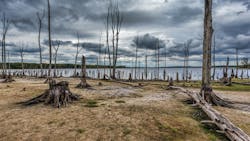
The New Jersey Department of Environmental Protection (DEP) issued a statewide Drought Warning on December 5, citing more than a year of below-average precipitation and deteriorating reservoir, streamflow, and groundwater conditions. The warning—authorized by an Administrative Order signed by Commissioner Shawn M. LaTourette—follows a Drought Watch declared in October and comes as indicators across nearly every region show “severely” or “extremely” dry conditions.
Governor Phil Murphy urged residents and businesses to begin reducing water use voluntarily. “While there are currently no mandatory restrictions in place, it is up to each of us to take precautions now and do our part by conserving water use in and around our homes and businesses,” he said. LaTourette added that the state’s prolonged precipitation deficit reflects “the impacts of climate change here in New Jersey.”
A Drought Warning empowers DEP to more closely manage water systems, including directing water transfers among regions, modifying reservoir releases, and adjusting streamflow requirements to balance drinking water needs and ecological protection. The action follows consultations with water suppliers and a public hearing held earlier this week.
State Climatologist Dave Robinson noted that despite a brief “drought buster” month in May 2025, most of the past 15 months have been far too dry to replenish critical supplies. Reservoir systems—especially in the densely populated Northeast—have fallen well below seasonal norms. Levels in that region have dropped to 48% of capacity, compared to an average of 72% for this time of year.
The DEP is encouraging residents to follow winter conservation measures, including checking pipes for leaks, insulating exposed plumbing, shutting down irrigation systems, and running dishwashers and washing machines only when full. The agency also recommends upgrades such as faucet aerators, low-flow toilets, and drought-tolerant landscaping to reduce long-term water use.
Although no mandatory restrictions are in place, officials warn that continued dry conditions and high demand could push the state closer to a Drought Emergency. For now, the Drought Warning allows regulators to stabilize supplies and coordinate with water providers to avert more severe shortages heading into 2026.