EPA, HHS launch coordinated effort targeting microplastics in drinking water
Key Highlights
- Microplastics and pharmaceuticals are now included in the EPA's Contaminant Candidate List, highlighting their emerging importance in water safety.
- The STOMP program by ARPA-H focuses on advanced detection, identifying harmful particles, and developing removal techniques for microplastics in humans.
- Inclusion on the CCL signals potential future regulation but does not constitute immediate regulatory action.
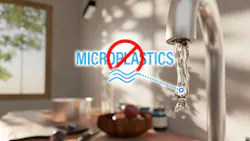
The U.S. Environmental Protection Agency and the U.S. Department of Health and Human Services have announced a joint federal initiative to address microplastics contamination, marking a significant expansion of regulatory and research focus on emerging drinking water contaminants.
At the center of the announcement is EPA’s draft Sixth Contaminant Candidate List (CCL 6), which for the first time includes microplastics as a priority contaminant group. Pharmaceuticals were also added as a group for the first time, alongside PFAS, disinfection byproducts, and dozens of individual chemicals and microbes.
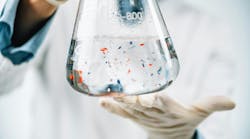
The Contaminant Candidate List, developed under the Safe Drinking Water Act, helps guide future research, monitoring, and potential regulatory actions for contaminants not yet subject to national drinking water standards.
“For too long, Americans have vocalized concerns about plastics and pharmaceuticals in their drinking water. That ends today,” said EPA Administrator Lee Zeldin in an EPA press release. “By placing microplastics and pharmaceuticals on the Contaminant Candidate List for the first time ever, EPA is sending a clear message: we will follow the science, we will pursue answers, and we will hold ourselves to the highest standards to protect the health of every American family.”
In parallel, the Advanced Research Projects Agency for Health (ARPA-H), part of HHS, launched a new initiative called Systematic Targeting of Microplastics (STOMP), aimed at understanding and mitigating the impacts of microplastics and nanoplastics in the human body.
The STOMP program will focus on three areas: measuring microplastics using advanced detection technologies, identifying the most harmful particles and their pathways into the body, and developing methods to remove them.
“Today, HHS and EPA are taking decisive action to confront microplastics as a growing threat to human health,” said HHS Secretary Robert F. Kennedy Jr in an EPA press release. “Americans deserve clear answers about how microplastics in their bodies affect their health. Through ARPA-H’s STOMP program, we will measure microplastic exposure, identify sources of risk, and develop targeted solutions to reduce it.”

The coordinated effort represents one of the most comprehensive federal responses to microplastics to date, combining regulatory prioritization with biomedical research. EPA officials emphasized that inclusion on the CCL does not constitute regulation but signals that contaminants warrant further scientific evaluation and could be considered for future rulemaking.
The announcement also included an expert panel discussion featuring agency leaders and researchers examining the prevalence of microplastics and pharmaceuticals in drinking water and their potential public health impacts.
For water utilities, the addition of microplastics to CCL 6 signals increasing federal attention on monitoring and treatment challenges associated with emerging contaminants, as well as the potential for future regulatory requirements.
About the Author
 Alex Cossin
Alex Cossin
Associate Editor
Alex Cossin is the associate editor for Waterworld Magazine, Wastewater Digest and Stormwater Solutions, which compose the Endeavor Business Media Water Group. Cossin graduated from Kent State University in 2018 with a Bachelor of Science in Journalism. Cossin can be reached at [email protected].