EPA Administrator highlights PFAS research, water restoration and energy priorities during New York tour
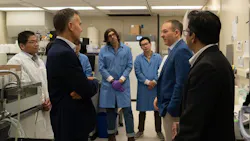
U.S. Environmental Protection Agency (EPA) Administrator Lee Zeldin concluded a four-day tour across New York State on June 8 that included visits focused on PFAS research, water quality restoration, food waste reduction and energy infrastructure development.
The tour began on Long Island with a stop at the New York State Center for Clean Water Technology at Stony Brook University, where Zeldin met with researchers studying PFAS contamination and emerging treatment technologies. Originally established to address nitrogen pollution in local waterways, the center has expanded its research efforts to include PFAS and other contaminants affecting drinking water supplies.
Zeldin also visited Oyster Bay to review ongoing restoration efforts in Long Island Sound. During a boat tour with local officials and EPA staff, he highlighted projects focused on shellfish restoration, eelgrass recovery, water quality protection and the removal of abandoned fishing gear. According to EPA, the maximum area of hypoxia recorded in Long Island Sound during 2025 fell to 18.34 square miles, the lowest level observed since monitoring began in 1987.
The agency also reported progress through its Long Island Sound restoration efforts, including support for 66 community projects, the establishment of 473 acres of new eelgrass meadows and educational outreach reaching more than 328,000 people.
Later in the trip, Zeldin visited the Rockland Green Solid Waste Management Authority in the Hudson Valley, where he toured composting operations that convert food waste into reusable products. The visit highlighted EPA’s Feed It Onward initiative, which promotes food waste reduction and resource recovery efforts nationwide.
The final stop of the tour shifted focus to energy infrastructure. During a press conference in Binghamton, Zeldin called on New York officials to approve the proposed Constitution Pipeline and reconsider policies restricting natural gas development within the state. While the remarks centered on energy policy, they underscored the Trump administration’s broader infrastructure agenda, which officials argue is tied to economic growth and utility reliability.