EPA approves cleanup plan for BASF site to protect Detroit River from groundwater contamination
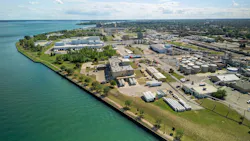
The U.S. Environmental Protection Agency (EPA) has approved a final cleanup design for groundwater contamination at BASF's North Works facility in Wyandotte, Michigan, clearing the way for construction of a remediation system aimed at preventing PFAS, heavy metals and other contaminants from reaching the Detroit River.
The approximately 230-acre industrial site has supported chemical manufacturing since the 1800s. Previous investigations by EPA and the Michigan Department of Environment, Great Lakes, and Energy identified groundwater contamination containing PFAS, heavy metals, volatile organic compounds and semi-volatile organic compounds surrounding the facility.
The approved "100% basis of design" finalizes engineering plans for a multi-component groundwater containment and treatment system, with construction expected to begin in early 2027.
The cleanup will include perimeter barriers to limit contaminated groundwater from migrating beyond the site and into the Detroit River, a groundwater collection and extraction system, and an on-site treatment facility to remove contaminants from the captured groundwater before discharge or reuse.
EPA said the final design was developed through a series of phased work plans in collaboration with BASF and the Michigan Department of Environment, Great Lakes, and Energy. The approved design includes the engineering drawings, technical specifications and construction plans needed to begin implementing the long-term remediation effort.
The project is intended to prevent contaminated groundwater from entering the Detroit River while addressing legacy pollution associated with more than a century of industrial operations at the site.