How Sonoma Water is building a resilient water source through transparency and community collaboration
Key Highlights
- Sonoma Water prioritizes transparency and community collaboration to build trust and ensure effective water management strategies.
- The organization uses an interactive dashboard and regular updates to keep staff and the public informed and engaged in strategic progress.
- Internal strategy workshops and feedback loops help align staff efforts with organizational goals, fostering a unified approach to climate resilience.
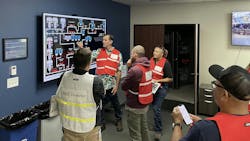
Water organizations are dealing with numerous headwinds right now, from the impacts of climate change to reduced budgets, growing populations, cybersecurity and more.
In California and across the U.S., there have been catastrophic weather events, such as wildfires and floods. Budget shortfalls are currently the rule, not the exception, so water organizations are increasingly having to do more with less. The organizations that will manage these challenges best are those that have a defined, yet flexible strategic plan.
Sonoma Water is a wholesale water supplier to nine cities and special districts that serve more than 600,000 residents in portions of Northern California’s Marin and Sonoma counties. Sonoma Water provides drinking water, wastewater management and flood protection — and it has taken a defined, strategic approach to ensuring a more resilient water supply by prioritizing transparency and community collaboration.
The catalyst for change

The escalating effects of climate change have a direct impact on water infrastructure and the ability to adequately serve residents. Those climate change impacts, combined with aging infrastructure, make things even more difficult.
Sonoma Water has been entrusted with water resource management since 1949, and the agency takes this responsibility seriously. Its mission has always been to remain forward thinking, and the organization wanted to further ensure it was not operating reactively. Major climate events are happening all the time, and staying ahead of droughts and wildfires means ensuring the organization has a unified direction that everyone understands and buys into.
Sonoma Water’s previous strategic plans were impressive in scope, but didn’t go beyond the Excel spreadsheet or binder printout. Sonoma Water staff also received internal feedback that there was a gap between the hard work employees were doing, and the agency’s overall direction. What became clear was that they needed a common language to talk about their work, and how it was advancing the agency’s mission. They needed a strategic framework that would help better define and track their goals.
From vision to implementation
The public’s rising desire for higher levels of transparency was also a major catalyst for Sonoma Water to begin creating a strategic plan that would be more accessible to the public, which is why the process began with extensive community engagement to determine a format that would work for all concerned parties.
Community engagement was built into every phase — from initial project direction to final feedback on the initial plan — and an ongoing feedback loop that allowed community members to give their thoughts, and track how their feedback impacted the overall plan’s direction. Multiple listening sessions, including bilingual outreach and communication, culminated in over 300 people and community organizations taking part.
Equally important to community feedback was internal feedback from the employees who would be responsible for implementing the strategic plan. Including employees in the concept and launch of the dashboard created internal advocates who would continue to champion and contribute to Sonoma Water’s strategic plan.
To ensure the ongoing work was fully transparent, Sonoma Water launched a public dashboard using Envisio software in April 2024. The dashboard included key strategic priorities that the agency would prioritize as part of their 2023-2027 strategic plan. Those priorities included:
- Organizational excellence
- Planning and infrastructure
- Environmental stewardship
- Emergency preparedness
- Climate resiliency
- Community engagement
While the dashboard was originally launched externally with public interactivity, Sonoma Water has since refined its approach to better align with evolving engagement practices. Strategic progress is now communicated through semi-annual graphical and narrative updates, drawn from the dashboard’s internal tracking. These updates are complemented by a comprehensive annual report, formally presented to the Sonoma Water Board of Directors and made available to the public.
Internally, the dashboard remains a dynamic tool, continuously updated through quarterly strategy workshops. These sessions serve as strategic labs, where Action Item Owners and contributors align on priorities, assess momentum, and refine tactics. Each workshop concludes with live updates to the dashboard, ensuring the strategic plan remains responsive and actionable. The interactive dashboard is accessible for all Sonoma Water associates through their agency intranet.
A framework that works
The process of developing a transparent and responsive strategic plan is a replicable one. A few tips for any agency to keep in mind are:
- Internal collaboration will help to ensure your strategic plan is prioritized by employees. If they’re a part of creating it, they’ll understand the value of owning their ongoing role in overseeing and updating the plan.
- Your community will provide invaluable feedback, so take the time to make sure you understand what you’re hearing so you can incorporate it, and report back on progress.
- With the right technology tools and partners, your strategic plan can become a working, living plan that adjusts as you do, so you no longer go back to a document you wrote years ago that may or may not have ever been updated.
- Inviting feedback on your strategic plan may feel challenging at first, but that transparency becomes a cornerstone of accountability and community trust.
Creating and sustaining a resilient water resource is a shared responsibility to future generations. An adaptable and transparent strategic plan is a pivotal part of that responsibility.
About the Author
 Neil Brem
Neil Brem
Neil Brem is project management coordinator for Sonoma Water.
 Elizabeth Steward
Elizabeth Steward
Elizabeth Steward is VP of marketing & research for Envisio.