Is Your Water or Wastewater Plant Ready for a New Owner?
Key Highlights
- Why water and wastewater system ownership transitions are becoming necessary due to aging infrastructure, regulatory pressure, and funding gaps.
- The key scenarios that signal when transitioning to a specialized owner-operator may be the right strategic move.
- How professional ownership models can improve long-term reliability, compliance, and operational performance.
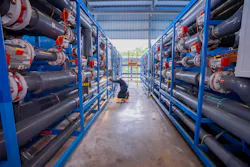
Across the United States, water and wastewater systems are increasingly reaching a point where ownership transitions are becoming part of long-term planning. Some face mounting capital needs they cannot fund alone. Some are struggling to stay in compliance with tightening EPA and state regulations. Others are owned by municipalities, HOAs, or industries that never intended to be in the water business and would prefer to focus on their core missions.
In many cases, the most significant challenges are not visible during routine operation. They emerge under pressure whether from growth, regulatory change, or years of deferred capital investment.
According to the U.S. Environmental Protection Agency’s 2022 Clean Watersheds Needs Survey, more than $630 billion in investment is needed nationwide to maintain and modernize water and wastewater infrastructure, underscoring the scale of the challenge facing both public and private system owners.
At Seven Seas Water Group, we are actively involved in this shift, working with communities, developers, and private owners to acquire and operate treatment assets that require long-term investment and operational expertise.
Across our portfolio of more than 220 water and wastewater treatment plants, we have seen these transition points play out across the municipal, private, and industrial systems throughout the United States, the Caribbean region, and Latin America. Over more than two decades, this experience has shaped how we approach ownership transitions – focusing on long-term reliability, sustainable capital investment, and operational performance.
In today’s environment, ownership models are evolving. For many systems, transitioning to a specialized owner-operator is not just a financial decision - it is a strategy to ensure long-term resilience, compliance, and service continuity.
Where Ownership Transitions Are Most Common
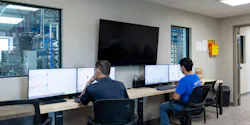
These situations are becoming more common across the industry and often signal when a transition in ownership may be the right path forward. Seven Seas focuses on opportunities where experienced, well-capitalized ownership can make a meaningful difference for the community or business being served:
Owners ready to exit: Whether you are a private entrepreneur who has built a system over the years, a developer who inherited infrastructure, or an industrial company looking to divest a treatment asset, these transitions are often structured to maintain continuity of service while shifting long-term ownership and operational responsibility.
Systems that need capital upgrades: Many plants are operationally sound but require meaningful investment to modernize equipment, improve efficiency, or expand capacity. Successful transitions in these cases combine capital investment with long-term operational expertise to modernize and sustain performance.
Systems out of compliance or at regulatory risk: Pressure from the EPA and state environmental agencies continues to intensify, particularly around nutrient limits, PFAS, and other emerging standards. Transitioning to a professional owner-operator can help restore and sustain compliance while reducing long-term risk.
HOAs and residential community systems: Associations and developers often lack the staff, expertise, or budget to manage water infrastructure effectively over time. Ownership transitions can remove this burden while maintaining consistent, reliable service for residents.
Municipalities seeking public-private partnerships: For local governments that want to address deferred maintenance, reduce capital obligations, or avoid rate increases, a P3 model can introduce institutional capital and operational expertise while allowing municipalities to retain oversight and accountability to their ratepayers.
Industrial operators outsourcing water management: Food and beverage, manufacturing, energy, and hospitality companies are increasingly shifting responsibility for on-site treatment to specialized operators, allowing them to focus on core operations while maintaining performance standards.
In each of these scenarios, transitions are typically structured to prioritize continuity, compliance, and long-term system performance.
For system owners evaluating long-term options, understanding how experienced ownership and operations models work in practice can be an important first step.
Author Information

Erik Arfalk is Chief Growth Officer at Seven Seas Water Group, where he oversees business development and strategic growth by working with municipal and industrial customers to deliver reliable water and wastewater solutions.
[email protected]
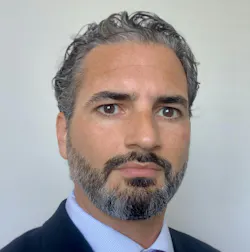
Bob Giordano is Vice President of Corporate Development at Seven Seas Water Group, specializing in strategic growth and M&A within the water and wastewater industry.
[email protected]
About Seven Seas Water Group
Seven Seas Water Group is headquartered in Tampa and Houston, with operations across the U.S., Caribbean, and Latin America. The company has built, owns, and operates more than 220 water and wastewater treatment plants, delivering reliable solutions to governmental, municipal, industrial, and hospitality customers. In addition to building new infrastructure, Seven Seas is actively acquiring and investing in existing water and wastewater treatment assets.
This content is sponsored by: