California's water systems face a new infrastructure threat: Golden mussels
Key Highlights
- Golden mussels can attach to and clog infrastructure components such as pipes, pumps, and screens, leading to reduced water flow and increased maintenance needs.
- Early detection and rapid response are crucial, as established infestations are difficult and costly to control, emphasizing the importance of monitoring and preparedness.
- The interconnected nature of California’s water systems facilitates rapid spread of invasive mussels, heightening the risk to agriculture, hydropower, and municipal water supplies.
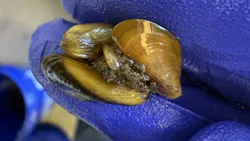
For decades, invasive mussels have created significant operational and environmental challenges throughout freshwater systems in the United States. Zebra and quagga mussels have already forced utilities, municipalities, hydropower operators, and water managers across portions of the Midwest and Western US to rethink maintenance strategies, infrastructure protection, and long-term operational planning.
Now, California is confronting a new and potentially serious threat: golden mussels.
Recent detections of golden mussels in California waterways have elevated concern among water managers and infrastructure operators about broader infrastructure and water reliability challenges. For water professionals already navigating drought conditions, aging infrastructure, rising demand, and increasingly complex water management pressures, the emergence of golden mussels adds another operational concern at a particularly difficult moment.
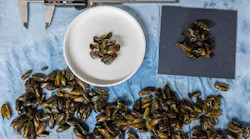
Golden mussels are highly effective colonizers. Similar to zebra and quagga mussels, they can attach to hard surfaces in dense accumulations, reproduce rapidly, and spread efficiently through connected water systems. Once established, they can accumulate on nearly any submerged structure, including intake pipes, pumps, screens, gates, filtration systems, irrigation infrastructure, monitoring equipment, and water conveyance networks.
For utilities and water agencies, the operational consequences can escalate quickly.
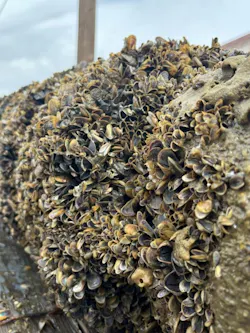
As mussels accumulate within infrastructure, they can restrict water flow, reduce pumping efficiency, interfere with sensors and monitoring equipment, increase corrosion risk, and create significant maintenance demands. Facilities may require repeated shutdowns for inspection and cleaning, while operators face rising labor costs and operational disruptions simply to maintain system performance.
One of the most difficult realities surrounding invasive mussels is that the economic impact is often gradual rather than immediate. Unlike a sudden infrastructure failure, mussel infestations frequently create persistent operational burdens that compound over time. Increased maintenance cycles, higher energy consumption, reduced equipment efficiency, infrastructure cleaning, and unplanned operational interruptions can collectively place substantial pressure on utility budgets and personnel.
For many water professionals across the West, these risks are not theoretical.
The impacts of zebra and quagga mussels have already demonstrated how quickly invasive species can reshape infrastructure management. Facilities throughout affected regions have spent years adapting to biofouling challenges and implementing costly management strategies to protect intake structures and maintain reliable water delivery systems. Golden mussels now present the possibility of similar operational strain across California’s water systems.
California’s water infrastructure may be particularly vulnerable because of how interconnected its systems are.
The State relies heavily on extensive water conveyance networks that move water across regions to support municipalities, agriculture, industry, and environmental management needs. Reservoirs, canals, pumping stations, pipelines, and irrigation systems are all connected through infrastructure designed to maximize water distribution and reliability. While that connectivity is essential to California’s water future, it also creates conditions where invasive species can spread more rapidly once introduced.
Agricultural systems could face some of the most immediate operational exposure.
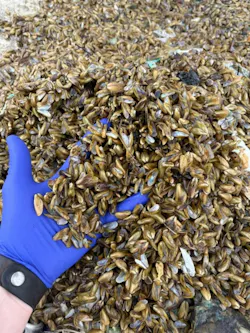
California’s agricultural economy depends on reliable and uninterrupted water movement through irrigation canals, pipelines, pumps, and distribution systems. During periods of peak demand, even partial restrictions in water movement can create operational and economic challenges for growers and water districts. Colonization within irrigation infrastructure may increase maintenance demands, reduce efficiency, and complicate water delivery schedules during critical periods of the growing season.
Hydropower and industrial systems are also vulnerable. Mussel accumulation inside cooling systems, intake structures, and mechanical equipment can reduce operational efficiency and increase maintenance frequency. In systems already operating under tight performance expectations, even modest disruptions can have broader implications for reliability and cost management.
The timing of this emerging threat is particularly concerning given the broader pressures already facing western water systems.
Across California and the West, utilities and agencies are balancing aging infrastructure, drought response planning, population growth, water quality expectations, climate-related variability, and increasing regulatory scrutiny. Water managers are being asked to deliver greater reliability and resilience while operating within increasingly constrained systems.
Golden mussels introduce another layer of operational complexity into an already stressed environment.
One of the most important lessons learned from prior invasive mussel outbreaks is that diligent monitoring and early intervention is very important.
Once invasive mussels become fully established within a large waterbody or conveyance system, management options become limited. Long-term containment and operational management often becomes the primary objective. That reality makes early detection, monitoring, rapid response planning, and interagency coordination especially important during the early stages of spread.
Utilities and infrastructure operators should already be evaluating vulnerability, monitoring and response strategies.
That includes assessing high-risk intake locations, reviewing monitoring protocols, strengthening vessel and equipment inspection procedures, evaluating infrastructure exposure points, and developing response plans before operational disruptions occur. Coordination between utilities, state agencies, water districts, researchers, and infrastructure operators will also play a critical role in slowing expansion and minimizing long-term impacts.
There is no single solution to invasive mussel management. Effective strategies often require a combination of monitoring, prevention, operational adaptation, and targeted treatment approaches tailored to the specific characteristics of a waterbody or infrastructure system.
What is increasingly clear is that invasive species management is now an even more critical part of long-term infrastructure resilience planning throughout the West.
Water systems across California were not designed with invasive golden mussels in mind. But as the threat evolves, utilities and water managers will need to adapt quickly to protect operational continuity, preserve infrastructure performance, and maintain reliable water delivery for the communities and industries that depend on these systems every day.
California still has a narrowing window to act before established detections evolve into far more costly operational challenges. Once invasive mussels become fully established within additional major water systems, management becomes significantly more difficult, disruptive and expensive.
We must not underestimate this voracious invader and take immediate action to protect our water.
About the Author
 Dr. West Bishop
Dr. West Bishop
Dr. West Bishop is a principal scientist at SePRO Corporation, where he specializes in aquatic ecosystem management, invasive species control, and water infrastructure challenges. With extensive experience in aquatic science and environmental management, Dr. Bishop works closely with utilities, water managers, and public agencies on solving invasive aquatic species and long-term freshwater management challenges across the United States.