EPA launches effort to accelerate water infrastructure funding for drinking water and wastewater projects
The U.S. Environmental Protection Agency (EPA) has launched a new initiative aimed at accelerating the delivery of federal water infrastructure funding by bringing together states, utilities and industry organizations to identify ways to streamline key financing programs.
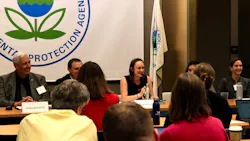
EPA Assistant Administrator for Water Jess Kramer recently convened what the agency described as its first roundtable focused on improving implementation of federal water infrastructure programs, including the Drinking Water and Clean Water State Revolving Funds (SRFs), the Water Infrastructure Finance and Innovation Act (WIFIA) loan program and the Emerging Contaminants in Small and Disadvantaged Communities grant program.
The discussion centered on reducing delays that can slow drinking water, wastewater and stormwater infrastructure projects, with particular attention given to barriers facing small and rural communities seeking funding.
As an outcome of the meeting, EPA committed to developing an online toolbox with resources for lenders and funding recipients and to establishing collaborative workgroups with states, water sector organizations and technical assistance providers to address implementation challenges and improve funding delivery.
According to EPA, the Drinking Water and Clean Water SRF programs have provided more than $265 billion to support approximately 76,000 infrastructure projects since their creation. While the agency said most SRF programs distribute funding efficiently, it acknowledged that some states experience delays that leave funding uncommitted for extended periods.
Industry organizations participating in the roundtable, including the National Rural Water Association, the Association of State Drinking Water Administrators, the Environmental Council of the States and the Rural Community Assistance Partnership, emphasized the importance of improving access to financing for smaller utilities. The National Rural Water Association noted that more than 92% of U.S. community water systems serve fewer than 10,000 people, while EPA estimates the nation will require more than $1 trillion in water infrastructure investments in the coming years.
EPA said the roundtable represents the first step in a broader effort to identify best practices and strengthen collaboration among federal, state and local partners to move critical water infrastructure projects from planning to construction more quickly.