Water challenges in the growing AI data center industry
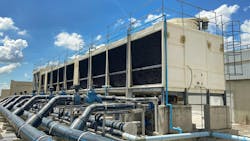
As the AI-driven data center boom accelerates, water is emerging as a critical design constraint—on par with power availability, land and connectivity. For many new facilities, particularly those relying on evaporative cooling, access to reliable water supplies is shaping early site selection and long-term campus planning decisions.
At the same time, developers are expanding into regions already facing hydrologic and regulatory pressures. In water-stressed metros such as Phoenix, large data center campuses can often move through permitting faster than new long-term water supplies can be secured—putting utilities and communities under increasing scrutiny.
For the water sector, the issue extends beyond a single consumption metric. The conversation is increasingly splitting into two key questions: how much potable water is used onsite for cooling, and what is the broader water footprint tied to electricity generation that powers these facilities. While onsite use is visible and reportable, the indirect water demand embedded in energy supply can be significant—and far more difficult to quantify.
As digital infrastructure continues to scale, water utilities and regulators are finding themselves at the center of a rapidly evolving intersection between technology growth and sustainable water management.
The article referenced in this story originally ran as "Rethinking Water in the AI Data Center Era" on Data Center Frontier, an Endeavor B2B partner site.