Key Highlights
- Injection wells are categorized into six classes based on their purpose, depth, and potential impact on underground sources of drinking water.
- They are used for waste disposal, oil and gas production, mineral extraction, aquifer recharge, and carbon storage, each requiring specific construction and operational standards.
- Regulations under the EPA's Underground Injection Control program aim to prevent contamination of groundwater sources by overseeing well design, operation, and closure.
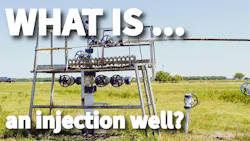
An injection well is a type of well used to place fluids underground, typically into porous rock formations or other subsurface formations. Depending on the well’s purpose, the injected fluid can include water, wastewater, brine, carbon dioxide or other fluids.
Injection wells are used for a wide range of applications, including wastewater and waste disposal, oil and gas production, mineral extraction, aquifer recharge and carbon storage. Because injected fluids can potentially affect groundwater, injection wells are regulated in the United States through the Underground Injection Control (UIC) program under the Safe Drinking Water Act.
How does an injection well work?
An injection well provides a controlled pathway for fluids to move from the surface into a designated subsurface formation.
The depth and construction of an injection well depend on its purpose and the characteristics of the fluid being injected. Some wells are relatively shallow and rely primarily on gravity, while others extend thousands of feet underground and use pumps to inject fluids into deep, isolated formations.
For example, EPA says wells used to inject hazardous waste or carbon dioxide into deep formations can require multiple layers of protective casing and cement. Shallower wells generally have simpler construction.
The subsurface formation must also be suitable for the intended injection activity. Factors such as geology, permeability, pressure and the location of underground sources of drinking water (USDWs) can affect how a well is designed and operated.
What are injection wells used for?
Injection wells serve several different purposes across the water, energy and environmental sectors.
One application is waste disposal. Class I injection wells are used to inject hazardous and non-hazardous industrial and municipal wastes into deep, isolated formations. These wells are designed to isolate injected fluids from underground sources of drinking water.
Injection wells are also widely used in the oil and gas industry. Class II wells inject fluids associated with oil and natural gas production, including fluids used for enhanced recovery and the disposal of produced water.
Another application is mineral extraction. Class III wells inject fluids that dissolve and mobilize minerals, allowing them to be brought to the surface.
Injection wells can also support water supply and groundwater management. Aquifer recharge involves putting water underground to replenish an aquifer, while aquifer storage and recovery (ASR) involves storing water underground for later recovery. EPA identifies injection wells as one method of aquifer recharge and ASR where surface infiltration is impractical.
A newer application is carbon capture and storage. Class VI wells are specifically designed to inject carbon dioxide into deep subsurface formations for long-term geologic storage. EPA's Class VI requirements address the unique characteristics of CO2 injection, including the gas's mobility, buoyancy, corrosivity in the presence of water and the large volumes involved.
What are the six classes of injection wells?
EPA's UIC program divides injection wells into six classes based on the type of injection activity, the depth and location of injection and the potential for an activity to endanger an underground source of drinking water.
Class I: Industrial and municipal waste disposal wells that inject fluids into deep, isolated formations.
Class II: Oil and gas-related wells used to inject fluids associated with oil and natural gas production.
Class III: Wells used to inject fluids for solution mining and mineral extraction.
Class IV: Wells used to inject hazardous or radioactive wastes into or above formations containing USDWs. These wells are generally prohibited, with limited exceptions for certain groundwater remediation activities.
Class V: A broad category covering wells that inject non-hazardous fluids underground and do not fall into another class. Examples include stormwater drainage wells, septic system leach fields, agricultural drainage wells and some aquifer recharge and storage wells.
Class VI: Wells used to inject carbon dioxide underground for long-term geologic sequestration.
The classification is important because different well types have different construction, operating, monitoring and reporting requirements.
How are injection wells regulated?
The primary federal framework is EPA's Underground Injection Control program, established under the Safe Drinking Water Act. Its central purpose is to prevent underground injection activities from contaminating underground sources of drinking water.
EPA regulations address the construction, operation and closure of injection wells. The agency's UIC rules establish minimum federal requirements, while states and tribes can obtain "primacy" to administer UIC programs that meet federal requirements. Where a state or tribe does not have primacy, EPA implements the program.
Requirements vary substantially by well class. Class I, II, III and VI operators generally must obtain permits, monitor wells and report results, with additional requirements applying to particular classes. Class V wells are often authorized by rule rather than through an individual permit, although operators still must meet applicable requirements and an individual permit can be required when necessary to protect groundwater.
Can injection wells contaminate groundwater?
Injection wells are regulated in large part because improperly designed or operated wells can create pathways for contaminants to reach underground sources of drinking water.
EPA's UIC regulations prohibit injection activities that allow contaminants to move into a USDW when the contamination could violate primary drinking water regulations or otherwise adversely affect human health.
The potential risk varies considerably by well type. A shallow stormwater drainage well, for example, operates very differently from a deep Class I hazardous waste disposal well or a Class VI carbon dioxide storage well.
For water utilities and other groundwater managers, the location and condition of injection wells can therefore be important considerations in protecting groundwater supplies.
What is a stormwater injection well?
A stormwater injection well is generally a Class V well designed to move runoff below the ground surface. EPA describes these systems as stormwater drainage wells and notes that they may also be called dry wells, bored wells or infiltration galleries. They can be used to manage runoff from rain or snowmelt through subsurface infiltration.
Because these wells can introduce stormwater directly into the subsurface, their design and operation are important to groundwater protection. The quality of runoff entering a system can vary depending on the surrounding land use and the pollutants it encounters before reaching the well.
Why are injection wells important?
Injection wells provide a way to manage fluids that otherwise might require surface storage, treatment or disposal. They can also play a role in water supply planning by allowing utilities to recharge aquifers or store water underground.
At the same time, injection moves material into an environment that can be difficult to monitor and remediate once contamination occurs. That makes proper well siting, construction, operation, monitoring and closure important parts of groundwater protection.
For water and wastewater professionals, understanding the distinction between injection well classes is particularly important because the term covers a wide range of technologies—from relatively simple stormwater drainage systems to highly engineered wells used for industrial waste disposal, groundwater management and carbon storage.
Frequently asked questions
What is an injection well?
An injection well is a well or subsurface system used to place fluids underground into a geologic formation. The injected fluid can include water, wastewater, brine or carbon dioxide, depending on the well's purpose.
Are injection wells safe?
Injection wells are regulated to protect underground sources of drinking water. Safety depends on the well's design, location, construction, operation, monitoring and the characteristics of the injected fluid.
What is the most common type of injection well?
EPA divides injection wells into six classes. Class V is a particularly broad category and includes many shallow systems such as stormwater drainage wells and septic system leach fields.
What is a Class VI injection well?
A Class VI well is used to inject carbon dioxide into deep underground formations for long-term geologic storage as part of carbon capture and storage projects.
About the Author
 Alex Cossin
Alex Cossin
Associate Editor
Alex Cossin is the associate editor for Waterworld Magazine, Wastewater Digest and Stormwater Solutions, which compose the Endeavor Business Media Water Group. Cossin graduated from Kent State University in 2018 with a Bachelor of Science in Journalism. Cossin can be reached at [email protected].