EPA confirms Pearl Harbor-area drinking water safe following 2021 Red Hill fuel spill

The U.S. Environmental Protection Agency has released its final drinking water assessment for systems impacted by the 2021 fuel spill at the Red Hill Bulk Fuel Storage Facility, concluding that water quality has met regulatory standards since 2022.
The report evaluates the Joint Base Pearl Harbor-Hickam (JBPHH) and Aliamanu Military Reservation (AMR) public water systems, which were affected after a fuel release contaminated a key drinking water well serving approximately 93,000 residents.
Following extensive system flushing, decontamination, and long-term monitoring, EPA determined that drinking water supplied by both systems is free from fuel contamination and complies with federal and state regulations under the Safe Drinking Water Act.
“The communities served by the Pearl Harbor and Aliamanu water systems can rest assured that their drinking water is safe from fuel contamination. Our agency’s assessment of the methodical and exhaustive water testing confirms that decontamination of the water system accomplished its objective,” said Acting EPA Pacific Southwest Region Administrator Michael Martucci in a press release. “EPA will continue supporting Oahu communities through our role overseeing the Hawaii Department of Health’s implementation of the Safe Drinking Water Act. EPA remains committed to holding responsible parties accountable for improving these water systems and seeing through the cleanup and safe closure of Red Hill.”
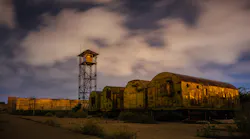
According to EPA, the assessment represents one of the most comprehensive post-incident drinking water evaluations conducted at this scale in the U.S. The agency required and reviewed three years of sampling data collected by the Navy at residences and priority facilities, including schools and medical centers. The review also included analysis of total petroleum hydrocarbons (TPH), fuel-related compounds, laboratory data, and independent investigations conducted by the Hawai‘i Department of Health.
EPA also performed its own sampling and inspections of system infrastructure and monitoring protocols.
Based on its findings, EPA is supporting a return to routine compliance monitoring for the affected systems. The Hawai‘i Department of Health has also reviewed and agreed with the report’s conclusions.
The agency will continue coordinating with the Navy, U.S. Army, and state officials to improve system operations, oversee the permanent closure of the Red Hill facility, and protect Oahu’s groundwater resources under an existing administrative consent order.
To increase transparency, EPA has also launched a public Drinking Water Results Dashboard and will host a webinar on April 14, 2026, to review findings and answer questions.
The original incident occurred in November 2021, when a fuel release contaminated the Red Hill Shaft well, prompting an Unsafe Water Advisory and widespread disruptions. The advisory was lifted in March 2022 after initial remediation efforts, with water meeting regulatory standards since that time.