Study finds PFAS levels declining in New Jersey drinking water

Research indicates that New Jersey's proactive approach, including setting enforceable standards and early treatment measures, significantly reduced PFAS contamination, demonstrating the effectiveness of combined policy and utility actions.
April 10, 2026
2 min read

Key Highlights

  • PFAS levels in NJ drinking water decreased by approximately 55% for PFOA and 50% for PFNA following regulatory actions.
  • The percentage of samples exceeding safety thresholds dropped from nearly 50% to just 2%, indicating improved water safety.
  • Utilities responded proactively by shutting down contaminated wells and installing advanced treatment technologies before regulations were fully implemented.
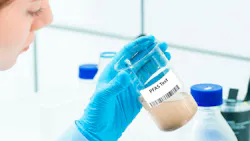

A new study published in Environment International shows that per- and polyfluoroalkyl substances (PFAS) levels in New Jersey drinking water have declined significantly over time, highlighting the impact of early regulatory action and utility response.

The research found that concentrations of key PFAS compounds—including PFOA and PFNA—dropped substantially following the state’s move to establish maximum contaminant levels. According to the study, “regulated PFAS levels declined following formal recommendation of MCLs to NJDEP,” indicating that both policy signals and eventual regulations played a measurable role in reducing contamination.

ID 65795045 © Mihai Andritoiu | Dreamstime.com
Newark New Jersey skyline viewed from Eagle Rock reservation under an orange sunset. In the background, under a hazy sky, Verrazano bridge links Staten Island to Brooklyn.
The report maps PFAS distribution across all 21 counties in New Jersey’s soil and water. The research underscores the persistence of PFAS compounds like PFOA and PFOS, highlights...
Oct. 2, 2025

Supporting data show that PFOA levels fell by approximately 55% and PFNA levels by about 50% across sampled systems. The share of samples exceeding safety thresholds also dropped sharply, from 49% to 15% for PFOA and from 24% to just 2% for PFNA.

The study attributes much of this improvement to proactive actions by utilities, which began addressing contamination even before regulations were formally adopted. Water systems responded to early recommendations by shutting down contaminated wells and installing treatment technologies such as granular activated carbon, accelerating reductions in PFAS concentrations.

New Jersey was the first state to implement enforceable drinking water standards for certain PFAS compounds, including PFNA in 2018 and later PFOA and PFOS, positioning it as a national leader in PFAS regulation.

This piece was created with the help of generative AI tools and edited by our content team for clarity and accuracy.

About the Author

Alex Cossin

Associate Editor

Alex Cossin is the associate editor for Waterworld Magazine, Wastewater Digest and Stormwater Solutions, which compose the Endeavor Business Media Water Group. Cossin graduated from Kent State University in 2018 with a Bachelor of Science in Journalism. Cossin can be reached at [email protected].

Sign up for our eNewsletters
Get the latest news and updates