Google expands water stewardship efforts as data center growth increases pressure on utilities
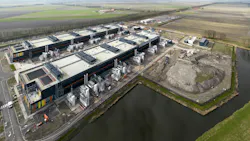
Google announced a series of new water stewardship commitments tied to its growing data center footprint, including a pledge to replenish more water than it consumes by 2030 and expand investments in water reuse, watershed restoration and utility infrastructure upgrades.
The company said the commitments are aimed at reducing the local water impacts associated with rapidly expanding data center operations, which rely heavily on cooling systems to manage heat generated by servers and AI computing infrastructure. Google noted that water cooling can reduce data center energy use by roughly 10% compared to air cooling in some regions.
As part of the initiative, Google said it replenished more than 7 billion gallons of water in 2025 through stewardship projects and now has 165 projects across 97 watersheds globally. Once fully implemented, the company expects those projects to replenish more than 19 billion gallons annually by 2030 — more than double its reported 2024 water consumption.

The company also said it has committed more than $500 million toward water, wastewater and water reuse infrastructure projects in communities where it operates or plans to build data centers. Those investments include projects focused on leak detection, reclaimed water use and local water supply improvements.
Google emphasized that future data center cooling decisions will increasingly depend on watershed conditions. In areas identified as high-risk or water-stressed, the company said it plans to prioritize air-cooled systems or the use of reclaimed wastewater instead of freshwater supplies.
One highlighted example is a partnership in Douglas County, where Google is working with local utilities to reuse treated wastewater for cooling operations at a data center campus.
The announcement also included $17 million in new funding for watershed and water quality projects across seven U.S. states, including wetland restoration in Georgia, agricultural runoff reduction efforts in Iowa, green infrastructure expansion in Michigan and leak detection improvements in Nebraska.
The move comes as water use associated with AI-driven data center growth has become an increasing focus for utilities, regulators and local communities. While Google stated that U.S. data centers collectively use less than 1% of the water Americans consume on lawn irrigation annually, the company acknowledged that localized impacts remain a key concern in regions facing drought, infrastructure limitations and growing water demand.