AWS adds water withdrawal reporting to sustainability dashboard as data center water use comes under scrutiny

Amazon Web Services (AWS) has expanded its sustainability reporting tools by adding water withdrawal data to its AWS Sustainability console, giving customers new visibility into the water footprint associated with their cloud workloads.
The new feature allows customers to view annual water withdrawals by AWS Region, service and account, with historical data available back to January 2022. According to AWS, the reporting is based on an independently reviewed customer water withdrawal methodology and is intended to help organizations track environmental metrics alongside existing Scope 1, 2 and 3 greenhouse gas emissions data.
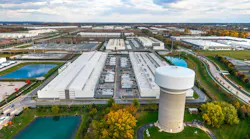
The announcement comes as water use by data centers receives increased attention from utilities and policymakers amid rapid growth in artificial intelligence and cloud computing infrastructure. Water demand for cooling has become a growing consideration for communities evaluating new data center developments, particularly in water-stressed regions.
AWS said it has reached 75% of its goal to become "water positive" by 2030, a commitment to replenish more water than its data center operations consume. The company attributes its progress to reducing water use, expanding reclaimed water use and investing in water replenishment projects.
According to AWS, its data centers are seven times more water-efficient than the industry average. The company said facilities in water-stressed regions, including South Africa, the Middle East and the Phoenix metropolitan area, do not use water-based cooling. Elsewhere, AWS said its facilities rely primarily on outside air cooling, using evaporative cooling only during the hottest periods.
AWS also continues to expand its use of reclaimed water for cooling operations. The company currently uses reclaimed municipal wastewater at 26 data centers and plans to expand that approach to more than 130 facilities across nine jurisdictions. In addition, AWS said it supports more than 50 water replenishment projects worldwide that are expected to return more than 21 billion liters of water annually to local watersheds and communities once completed.