Arizona lawmakers warn proposed Colorado River operations could threaten water security
Key Highlights
- Arizona lawmakers criticize the draft environmental impact statement for potentially reducing the state's water supply significantly after 2026.
- They emphasize the need for equitable conservation measures across all basin states and detailed reservoir operation analysis.
- The delegation warns that disproportionate water cuts could impact municipalities, agriculture, industry, and tribal nations in Arizona.
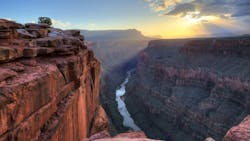
Members of the Arizona congressional delegation are urging federal officials to reconsider proposed operating rules for the Colorado River after 2026, warning that current options under review could significantly reduce the state’s water supply and jeopardize municipal, agricultural and industrial water users.
In a March 2 letter to the U.S. Department of the Interior and the Bureau of Reclamation, Arizona lawmakers criticized the agency’s Draft Environmental Impact Statement (DEIS) for post-2026 river operations, stating that none of the proposed alternatives are viable for maintaining Arizona’s long-term water security.
The letter, signed by Senantors Mark Kelly and Ruben Gallego along with several members of the state’s House delegation, argues that the draft plan could place disproportionate water reduction requirements on the Lower Basin states while failing to ensure comparable conservation measures in the Upper Basin.
According to the lawmakers, the DEIS alternatives could translate into “drastic reductions” to Arizona’s water supply, potentially forcing municipalities that depend heavily on Colorado River deliveries to seek alternative or hauled water sources to maintain basic services. The delegation warned that such cuts could have cascading impacts on public health, economic activity and water reliability across the state.
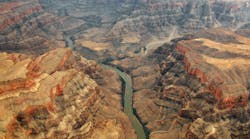
The concerns come as federal and state water managers negotiate a long-term framework for managing the Colorado River system after the expiration of current operating guidelines in 2026. The basin is facing long-term water shortages driven by declining reservoir levels, reduced snowpack and more than two decades of drought conditions across the American West.
Arizona lawmakers noted that the river remains a primary water source for many communities, tribal nations and industries across the state. The letter highlights the importance of the river for agriculture, as well as for advanced manufacturing sectors such as semiconductor production, which has seen major investment in Arizona in recent years.
The delegation also emphasized the need to protect tribal water rights and infrastructure investments tied to those entitlements. Arizona is home to 22 federally recognized tribes, many of which rely on Colorado River allocations to support economic development and public health initiatives.
In addition to calling for equitable conservation requirements across the basin, the lawmakers asked the Bureau of Reclamation to include verifiable conservation commitments from Upper Basin states and to provide more detailed analysis on how federal reservoirs should be operated to protect critical infrastructure at Lake Powell and Lake Mead.
The delegation also requested further evaluation of how reservoir operations in the Upper Basin could support system-wide stability and ensure compliance with the Colorado River Compact of 1922, the foundational agreement governing water allocations in the basin.
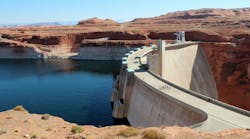 Glen Canyon Dam/Lake Powell
Despite their criticism of the draft alternatives, the lawmakers reiterated Arizona’s willingness to work with other basin states and federal agencies to develop a sustainable long-term operating plan for the river system. They emphasized that any final framework must balance environmental realities with equitable water reductions and maintain reliability for the communities and industries that depend on the Colorado River.
The Bureau of Reclamation is currently reviewing comments on the draft environmental analysis as negotiations continue toward a new post-2026 operational agreement for the Colorado River basin.
About the Author
 Alex Cossin
Alex Cossin
Associate Editor
Alex Cossin is the associate editor for Waterworld Magazine, Wastewater Digest and Stormwater Solutions, which compose the Endeavor Business Media Water Group. Cossin graduated from Kent State University in 2018 with a Bachelor of Science in Journalism. Cossin can be reached at [email protected].