Key Highlights
- Greywater is generated from showers, sinks, and laundry, excluding toilets and kitchen waste, and can be treated for non-potable uses like irrigation and toilet flushing.
- Proper treatment and regulation are essential to ensure greywater safety, as it may contain bacteria, viruses, and organic matter that can deteriorate quickly if stored untreated.
- Greywater systems help reduce potable water demand, lower wastewater volumes, and support sustainability goals, but face challenges such as variable water quality and regulatory complexity.

As communities face increasing water scarcity, aging infrastructure and growing demand, water reuse has become one of the fastest-growing strategies for improving water resilience. While many utilities are investing in large-scale reclaimed water systems, another form of water reuse is gaining attention in homes, commercial buildings and decentralized water systems: greywater.
Greywater reuse can reduce potable water demand, lower wastewater flows and help communities stretch limited water supplies. However, it also raises important questions about treatment, regulations and public health.
Here's what water professionals need to know.
 Dreamstime Xxl 61945128
What is greywater?
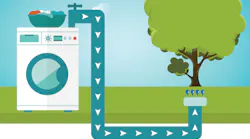
Greywater (also spelled graywater) is lightly used wastewater generated from showers, bathtubs, bathroom sinks and clothes washing machines that does not contain toilet waste. Depending on local regulations, water from laundry sinks may also qualify as greywater, while kitchen sinks and dishwashers are often excluded because they contain higher concentrations of grease, food particles and pathogens.
Unlike blackwater, which contains sewage from toilets and requires full wastewater treatment, greywater can often be treated and reused for non-potable purposes.
Common greywater sources include:
- Bathroom sinks
- Showers
- Bathtubs
- Clothes washing machines
- Laundry tubs (in some jurisdictions)
Most plumbing codes exclude:
- Toilets
- Urinals
- Kitchen sinks
- Dishwashers
- Industrial wastewater
The exact definition varies by state and local plumbing code, making it important for utilities, engineers and property owners to review local requirements before designing a reuse system.
What is the purpose of greywater?
The primary purpose of greywater reuse is to reduce the demand for potable drinking water by substituting recycled water for uses that do not require drinking water quality.
Instead of sending lightly used water directly into the sewer, greywater systems collect, treat (when necessary) and reuse it onsite.
Typical applications include:
- Landscape irrigation
- Toilet flushing
- Urinal flushing
- Decorative water features
- Dust suppression
- Commercial laundry systems
- Cooling tower makeup water in some facilities
According to the U.S. Environmental Protection Agency, onsite non-potable water reuse can also reduce energy use associated with drinking water treatment and distribution while decreasing wastewater volumes entering sewer systems during storm events.
How does a greywater system work?
Most greywater systems follow four basic steps:
1. Collection
Greywater is diverted from approved plumbing fixtures before entering the sanitary sewer.
2. Treatment
Depending on the intended use, treatment may include:
- Screening
- Filtration
- Biological treatment
- Disinfection using chlorine or ultraviolet light
- Storage (where permitted)
Treatment requirements vary significantly based on state regulations and intended reuse.
3. Distribution
Treated greywater is pumped or gravity-fed to non-potable applications through plumbing that is clearly separated from potable water lines.
4. Reuse
The water is reused onsite before ultimately entering the wastewater system or infiltrating into soil.
EPA notes that onsite systems are becoming increasingly common in commercial buildings, schools, hospitals and multifamily developments where significant water savings can be achieved.

Is greywater safe?
Greywater is not drinking water.
Although it contains far fewer contaminants than sewage, it can still include:
- Bacteria
- Viruses
- Skin cells
- Hair
- Soap residues
- Detergents
- Nutrients
- Organic matter
Research has shown that greywater quality varies considerably depending on household activities, cleaning products and storage time. Water that is safe for subsurface irrigation may require substantially more treatment before being used indoors for toilet flushing.
Because untreated greywater can deteriorate quickly, many experts recommend using it soon after collection or providing appropriate treatment before storage.
What are the benefits of greywater reuse?
Greywater systems offer several advantages for utilities, building owners and communities.
Reduces potable water demand
Outdoor irrigation and toilet flushing account for a significant share of residential water use. Replacing drinking water with treated greywater conserves high-quality drinking water supplies.
Improves drought resilience
Communities in water-stressed regions increasingly view greywater as part of a broader water reuse portfolio that includes reclaimed wastewater, rainwater harvesting and stormwater capture.
Reduces wastewater flows
Keeping reusable water onsite decreases the volume entering sewer systems, potentially reducing hydraulic loading on wastewater treatment facilities.
Supports sustainability goals
Greywater reuse can reduce the energy and chemicals required to produce potable water while lowering a building's overall environmental footprint.
What are the limitations of greywater?
Despite its benefits, greywater is not appropriate for every application.
Common challenges include:
- Variable water quality
- Public health concerns
- Plumbing retrofits
- Regulatory complexity
- Maintenance requirements
- Cross-connection prevention
Storage is another important consideration. Because untreated greywater contains organic material, it can quickly become anaerobic, creating odors and microbial growth if stored for extended periods without treatment.
For this reason, many regulations either prohibit untreated storage or require treatment before longer-term storage.
How is greywater different from reclaimed water?
Although the terms are sometimes used interchangeably, they refer to different sources.
| Greywater | Reclaimed water |
|---|---|
| Generated within a home or building | Produced at a municipal wastewater treatment plant |
| Lightly contaminated | Fully treated municipal wastewater |
| Typically reused onsite | Distributed through dedicated reclaimed water systems |
| Used for non-potable purposes | Used for irrigation, industry, cooling and, in some regions, potable reuse |
Greywater represents one form of decentralized water reuse, while reclaimed water generally supports community-scale reuse programs.
Where is greywater reuse becoming more common?
Growing water shortages have accelerated greywater adoption across much of the western United States.
States including California, Colorado, Arizona, Oregon and Ohio have developed regulations allowing various forms of onsite greywater reuse, though treatment requirements differ depending on whether the water is used for irrigation, toilet flushing or other applications. Many states reference NSF/ANSI 350, the industry standard for onsite residential and commercial water reuse treatment systems.
Commercial buildings, airports, universities and healthcare campuses are also increasingly incorporating greywater systems into broader water conservation strategies as utilities seek ways to improve resilience against drought and population growth.
For utilities facing increasing pressure on water supplies, greywater represents another tool for improving water efficiency. While it cannot replace centralized drinking water systems, properly designed and regulated greywater reuse can help reduce potable water demand, support drought resilience and extend existing water resources—making it an increasingly important component of sustainable water management.
The future of greywater reuse
As utilities pursue integrated water management strategies, greywater is expected to play a growing role alongside potable reuse, stormwater capture and decentralized treatment systems.
EPA research continues to evaluate treatment performance, microbial risks and lifecycle impacts of onsite reuse systems, helping establish science-based guidance for safe implementation. Advances in sensors, automation and compact treatment technologies are also making greywater systems more practical for both residential and commercial applications.
About the Author
 Alex Cossin
Alex Cossin
Associate Editor
Alex Cossin is the associate editor for Waterworld Magazine, Wastewater Digest and Stormwater Solutions, which compose the Endeavor Business Media Water Group. Cossin graduated from Kent State University in 2018 with a Bachelor of Science in Journalism. Cossin can be reached at [email protected].