EPA proposes PFAS rule changes while preserving PFOA and PFOS drinking water limits
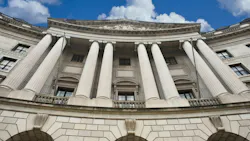
The United States Environmental Protection Agency announced a series of actions aimed at advancing PFAS treatment, funding and regulation, including proposed changes to federal drinking water rules that would maintain limits for PFOA and PFOS while revisiting standards for several other PFAS compounds.
At a PFAS destruction event alongside Robert F. Kennedy Jr., EPA Administrator Lee Zeldin said the agency is pursuing a “lifecycle-based strategy” focused on PFAS treatment, destruction and source reduction.
EPA proposed allowing eligible drinking water systems up to two additional years — until 2031 — to comply with federal maximum contaminant levels for PFOA and PFOS. Utilities would need to apply for the extension and meet criteria established by EPA. Systems not seeking extensions would remain subject to the current 2029 compliance deadline.
The agency also proposed reconsidering drinking water regulations for PFHxS, PFNA, GenX chemicals and a PFAS hazard index, arguing the Biden administration did not properly follow Safe Drinking Water Act procedures when establishing those standards.
Alongside the regulatory proposals, EPA announced nearly $1 billion in new funding through the Emerging Contaminants in Small or Disadvantaged Communities Grant program to help utilities address PFAS and other contaminants in drinking water. EPA said the program has now made $5 billion available over five years.
The agency also highlighted ongoing work on PFAS treatment and destruction technologies, including granular activated carbon, ion exchange, reverse osmosis, supercritical water oxidation and electrochemical oxidation. EPA said it recently shifted its PFAS destruction and disposal guidance to annual updates to reflect rapidly evolving technologies and field performance data.
The proposed rules will be published in the Federal Register with a 60-day public comment period, and EPA plans to hold a public hearing on July 7, 2026.