Colorado River coalition urges Congress to approve $2B drought response funding
A broad coalition of more than 70 water agencies, agricultural groups, conservation organizations and Tribal entities across the Colorado River Basin is calling on Congress to provide at least $2 billion in new federal funding to address worsening drought conditions and infrastructure risks throughout the region.
In a letter sent to leaders of the House and Senate appropriations committees, the coalition warned that historically low snowpack, declining reservoir levels and aging infrastructure are placing increasing pressure on the Colorado River system, which supplies water to more than 35 million people across the western U.S.
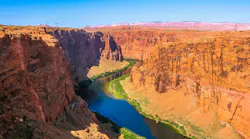
The request comes as Lake Powell approaches critical operational thresholds tied to hydropower generation, prompting emergency drought response measures involving Flaming Gorge Reservoir and reduced releases from Glen Canyon Dam. Coalition members said near-term federal funding is needed to help stabilize the basin while longer-term water management solutions continue to be negotiated.
The proposed funding would support drought mitigation programs, water conservation projects, infrastructure modernization and efforts to improve long-term system resilience. Organizations signing the letter include major utilities and water agencies such as Denver Water, San Diego County Water Authority, Aurora Water and Imperial Irrigation District, alongside conservation groups including The Nature Conservancy, Trout Unlimited and American Rivers.
Agricultural organizations and Tribal nations also joined the appeal, reflecting growing cross-sector concern over the basin’s long-term reliability. Signatories argued that existing infrastructure was built for hydrologic conditions that no longer exist and warned that delaying investment could increase risks to municipal water supplies, agriculture, hydropower generation and ecosystem health.
The coalition said the requested funding should serve as a near-term bridge while Congress considers more durable, long-term federal funding mechanisms for voluntary conservation programs, infrastructure upgrades and future water supply augmentation efforts across the basin.