EPA announces $227 million for Tribal drinking water and wastewater infrastructure

The U.S. Environmental Protection Agency (EPA) has announced more than $227 million in fiscal year 2026 funding to help American Indian Tribes and Alaska Native Villages improve drinking water and wastewater infrastructure.

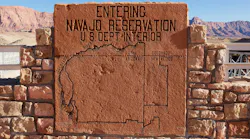
According to the agency, the funding will support projects that expand access to safe drinking water, improve wastewater services and help Tribal communities comply with the Safe Drinking Water Act and Clean Water Act. The funding can also be used to address emerging contaminants, including PFAS, and replace lead service lines where needed.
The funding will be distributed through four EPA programs, including $134 million for Drinking Water Infrastructure Grants, $71 million through the Clean Water Indian Set-Aside (CWISA) program — including $4.5 million dedicated to emerging contaminants — $19 million through the Emerging Contaminants in Small or Disadvantaged Communities Tribal Grant Program and $3 million through the Small, Rural, and Tribal (SmaRT) Drinking Water Assistance Grant Program.
"Working closely with our Tribal partners is a cornerstone of our Indian Policy, commitment to cooperative federalism and work to protect human health," said EPA Assistant Administrator for Water Jess Kramer in a press release. "These resources are essential to helping Tribes manage and upgrade water infrastructure and ensure clean, safe drinking water and wastewater services."
The Clean Water Indian Set-Aside program provides funding for the planning, design and construction of wastewater infrastructure serving federally recognized Tribes, while the Drinking Water Infrastructure Grants Tribal Set-Aside supports drinking water system improvements, capital projects and operator training. EPA said the investments are intended to strengthen public health protections and improve long-term water infrastructure resilience in Tribal communities across the U.S.