EPA releases checklist to help states identify systemic water system issues
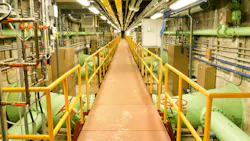
The U.S. Environmental Protection Agency (EPA) has released a voluntary checklist designed to help state drinking water agencies identify, track and address systemic issues at public water systems before they threaten service reliability or public health.
The Systemic Issues Checklist is intended to supplement existing sanitary survey programs without creating additional processes or regulatory requirements. EPA said systemic issues can include source water supplies approaching capacity, malfunctioning treatment equipment and recurring water main breaks.
The checklist provides tools for documenting issues identified during routine system assessments and recommendations for addressing them over the long term. EPA said proactive identification and resolution can help prevent individual problems from developing into broader system failures.
The guidance was developed in partnership with states and is intended to support state primacy agencies in their role as co-regulators under the Safe Drinking Water Act. The Association of State Drinking Water Administrators endorsed the checklist as a resource for strengthening sanitary surveys, system resilience and continuous improvement.
EPA said the guidance complements its RealWaterTA technical assistance initiative and federal infrastructure financing programs, including the Drinking Water State Revolving Fund and Water Infrastructure Finance and Innovation Act.