2026 election results: Data center talks shift focus to water use
Key Highlights
- Data center proposals brought water use, community input and environmental impacts into election debates across several states.
- New and returning lawmakers have highlighted priorities including water infrastructure, PFAS, lead service lines and agricultural runoff.
- Changes to key House committees could affect federal water programs, drinking water regulation and western water supply.

Like most journalists these days I start off by outsourcing some of my time consuiming research to AI. ChatGPT has been my current guilty pleasure. A lot has changed over the past two years on this front. What would normally take days of pen-and-paper research takes 10 minutes when AI handles the heavy lifting. My outline is nearly complete, and it’s time to skip to the second step of this article — writing and fact checking.
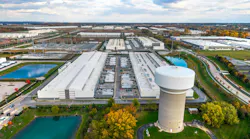
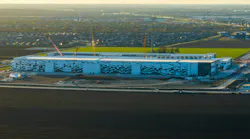
As most of us know, AI needs data centers to function. I work from home now, but I remember the days of showing up to physical locations and clocking in. While any technical issues throughout my day are now diagnosed by myself becuase I have Google, I can remember having IT personnel show up to the office when things went wrong. They jangled their keys and disappeared into the server room where a bunch of servers sat on a rack in a small, air-conditioned space. I like to think of data centers as this server room but at a much larger scale. Like the air-conditioned closet, they need to be cooled, and one of the best ways to do that is with water.
Since data centers have hit the mainstream discussion in the past year or so, they have roped in talks of water use. Having discussions surrounding water use in the public domain is a great thing — it allows us to focus on our most precious resource and give praise to those who work to deliver us clean water, and those who work to keep it clean once used.
Now, I’ve gone long enough without talking about politics, but it’s time we loop it into this article. It is, after all, that time of year where elections dominate headlines, and it just so happens that data center talk dominated most of those electoral headlines.
What follows below is a list of elected candidates who have held some sort of position to water-related policies. The list features some returning names as well as newcomers who have mentioned water during their campaigns.
Let’s get into the nitty gritty.
The election’s biggest water-policy story: Data centers
When researching this year’s ballot and comparing candidates, one of the largest recurring themes was where they stood on data centers. This wasn’t just confined to Ohio, where I live, but was prominent in other states too like Texas, Georgia, New Mexico and others.
In Texas, Gina Hinojosa defeated incumbent Greg Abbott. She pledged to pause new data center approvals until the Texas Legislature established stronger protections for residents. Some of those proposed protections include safeguarding community water supplies, improving transparency and giving residents more input into projects.
Keisha Lance Bottoms was elected as Georgia Governor where she called for a statewide pause on new data center construction while state officials assess the environmental and economic consequences. She specifically discussed impacts on local utilities, natural resources and neighboring communities. She also emphasized that environmental impacts could extend beyond the jurisdiction approving a project (think downstream pollution).
In New Mexico, Deb Haaland won the election for Governor. Haaland offered one of the most comprehensive water-specific campaign platforms. Her September 17 water-security plan included annual water-use reporting for high-demand industries, groundwater monitoring, PFAS enforcement, rural water infrastructure improvements and protection of federal funding for Tribal water projects.
In Ohio, Amy Acton won the seat for governor. During the election cycle she advocated for a temporary moratorium on new fracking wastewater injection wells in Washington County, pending an investigation into potential contamination risks. Her campaign also addressed data center development and its potential effects on communities.
According to a Reuters analysis, data center opposition was a significant factor in the election results.
Why this matters to the water industry
These candidates raised questions that extended beyond energy consumption. Data center development increasingly involves:
- Municipal water capacity
- Cooling-water demand and withdrawal permits
- Industrial wastewater management
- Water reuse and closed-loop systems
- Infrastructure costs and utility rates
- Public disclosure of water consumption
U.S. Senate: Water-policy implications
The Senate results are important because the new Congress will influence federal appropriations, environmental regulation and water infrastructure programs. Democrats captured several previously Republican-held seats, including North Carolina, Maine, Ohio and Kansas. They also won open seats in Texas and Iowa.
While the following incoming senators haven’t directly mentioned any water-related policy, it will be important to follow their actions in the coming months.
In Texas, James Talarico will have to manage the state’s water challenges and data center development boom.
In North Carolina, former governor Roy Cooper will need to monitor coastal resilience as well as state issues involving PFAS and drinking water protections.
In Iowa, Josh Turek will need to keep an eye on the state’s agricultural runoff, nutrient pollution and drinking water challenges.
U.S. House: Newly elected and returning members with water-policy records
The Democrats taking control of the House will affect committee leadership, legislative priorities and congressional oversight beginning with the 120th Congress in January 2027.
Returning representatives
The members listed below have already been involved in congressional water legislation or have held positions on committees with direct responsibility for federal water programs.
In Ohio, District 13, Emilia Sykes has been particularly active in federal water infrastructure legislation. Some of her 2026 legislative activities include reintroducing the WISE Act, which would permanently dedicate 20% of the Clean Water State Revolving Fund to sustainable water infrastructure projects. She also secured language in the 2026 Water Resources Development Act to increase the environmental infrastructure funding cap for Summit County from $25 million to $50 million.
Her continued involvement could benefit municipal water and wastewater utilities, engineering consultants, construction contractors and companies developing sustainable treatment technologies.
In California, District 2, Jared Huffman focused on western water supply, drought resilience, Army Corps reservoirs, ecosystem restoration and water infrastructure. Huffman has a history of involvement in water policy, including prior service as a ranking member of the House Water, Wildlife and Fisheries Subcommittee. He is now ranking member of the House Natural Resources Committee.
Huffman’s position in the Natural Resources Committee puts him in a position to influence Bureau of Reclamation Policy, western water supply, federal irrigation projects and watershed restoration.
In New York’s District 20, Paul Tonko focused on drinking water infrastructure, PFAS, lead service lines, water affordability and Safe Drinking Water Act programs. His legislative history includes the Assistance, Quality and Affordability (AQUA) Act, which sought to increase funding for the Drinking Water State Revolving Fund, replace lead service lines, provide funding for PFAS remediation, improve water affordability and strengthen federal drinking water standards and oversight. Several provisions of his earlier AQUA legislation were incorporated into the Infrastructure Investment and Jobs Act.
In Arkansas’s District 4, Bruce Westerman focused on western water resources, federal lands, irrigation, reclamation and environmental regulation. He was reelected and currently chairs the House Natural Resources Committee which oversees the Bureau of Reclamation, federal irrigation projects, western water supply and fisheries policy.
Newly elected representatives with water-policy commitments
The incoming members are particularly interesting because several campaigned in states where water contamination, agricultural runoff and drinking water quality have become significant public issues.
In Iowa’s District 1, Christina Bohannan’s campaign specifically addressed the state’s water quality problems including reducing PFAS and other contaminants in water, increasing federal incentives for farmers to establish buffer zones and expanding cover-crop programs to reduce agricultural runoff.
In Iowa’s District 2, Lindsay James campaigned on similar issues surrounding water quality. In her campaign questionnaire, James discussed fully funding Iowa’s water quality monitoring system, opposing legal immunity for chemical companies responsible for water pollution and giving local communities a meaningful role in data center decisions, with congressional guardrails.
In Georgia, District 13, Jasmine Clark was elected. She is a microbiologist and Georgia state legislator who won the open seat. The League of Conservation Voters highlighted her election and her commitment to pollution accountability and protecting Georgia communities, including from water pollution.
What it means
All the elected officials listed above will be ones to monitor once they’re in office, beginning January 2027. Their stated stances on water policy issues make them particularly interesting to keep an eye on, and if I had to put money on it, future water policy updates will involve at least a few of them in some capacity.
Potential Congressional committee changes
Three House committees have substantial influence over water policy and federal funding. This may be just as important as the individual election victories.
The Transportation and Infrastructure Committee oversees the Army Core of Engineers, WRDA, flood protection, navigation and environmental infrastructure. The Energy and Commerce Committee oversees the Safe Drinking Water Act, EPA oversight, PFAS and environmental regulation. The Natural Resources Committee oversees the Bureau of Reclamation, western water supply, irrigation and federal lands.
Transportation and Infrastructure Committee
An October 31 analysis conducted by the National Waterways Conference identified several important departures from the committee,
Among those leaving:
- Sam Graves, committee chairman
- Mike Collins, chairman of the Water Resources and Environment Subcommittee
- Frederica Wilson, ranking member of the Water Resources and Environment Subcommittee
- Thomas Massie
- Chris Pappas
- Julia Brownley
Both the chairman and ranking member of the Water Resources and Environment Subcommittee are departing. That means both parties will need new leadership for a subcommittee responsible for WRDA and much of the House’s water resources legislation.
Energy and Commerce Committee
This committee will be particularly important for drinking water and wastewater regulation. Its Environment Subcommittee oversees the Safe Drinking Water Act, hazardous substances and water contamination. Tonko’s current leadership position and Latta’s experience on the subcommittee are worth watching as the new majority reorganizes leadership.
Natural Resources Committee
With Westerman and Huffman returning, this committee will retain two members with established experience in water resources. The shift in House control will change the committee’s leadership structure, potentially affecting federal reclamation projects, western water supply and water-related environmental legislation.
What the 2026 election could mean for the water industry
There are several developments worth watching as the new Congress takes shape. Infrastructure funding, PFAS and emerging contaminants, agricultural runoff and western water supply will be things to keep an eye on.
Federal water infrastructure funding
Sykes and Tonko have both worked on legislation intended to increase federal investment in drinking water and wastewater infrastructure. One important piece of legislation is the Water Resources Development Act of 2026 (H.R. 9497). The House approved it on September 16 by a 415-9 vote. It covers Army Corps projects involving ports, navigation, flood protection, environmental restoration and water infrastructure.
Other relevant programs include:
- Drinking Water State Revolving Fund
- Clean Water State Revolving Fund
- WIFIA financing
- Lead service line replacement
- EPA assistance for disadvantaged communities
- Army Corps environmental infrastructure projects
For the industry, this means continued opportunities for engineering firms, construction contractors, equipment manufacturers and consulting companies involved in federally supported infrastructure projects.
PFAS and emerging contaminants
Tonko and Bohannan have both demonstrated interest in addressing PFAS contamination. Their legislative and campaign priorities raise several industry questions:
- Will Congress increase funding for PFAS treatment?
- Will lawmakers expand federal drinking water requirements?
- Will federal PFAS standards and compliance deadlines change?
- Will Congress provide additional funding to help smaller utilities comply?
- How will PFAS liability affect treatment providers and water utilities?
These issues have direct implications for ion exchange, granular activated carbon, reverse osmosis, analytical instrumentation and other treatment technologies.
Agricultural runoff and nitrate contamination
The Iowa election results are particularly interesting. Bohannan, James and Trone Garriott all discussed water quality during their campaigns. Their positions suggest continued attention to agricultural runoff, nitrate contamination, chemical pollution and drinking water standards. That could create opportunities for:
- Nitrate removal tech
- Agricultural drainage treatment
- Nutrient recovery
- Water-quality monitoring
- Watershed management
- Source-water protection
The policy debate will involve both financial incentives for farmers and questions about federal environmental standards.
Western water supply and reclamation
Huffman and Westerman bring established experience with federal water resources policy. Their continued involvement will be relevant to:
- Bureau of Reclamation funding
- Colorado River management
- Irrigation infrastructure
- Reservoir operations
- Drought resilience
- Water reuse and conservation
This is particularly important for companies serving utilities and industrial customers in water-stressed western states.
The broader angle
The beauty of all this is that it is pure speculation and assumptions based on candidates’ histories and their campaign promises. Only time will tell if any of these promises will come to fruition. In the meantime, we will do what we’ve always done by providing you with updates on funding and any regulatory updates that have taken place.
Below is a compiled list of noteworthy officials to pay attention to over the coming months due to their positions surrounding water-related topics.
About the Author
 Alex Cossin
Associate Editor
Alex Cossin is the associate editor for Waterworld Magazine, Wastewater Digest and Stormwater Solutions, which compose the Endeavor Business Media Water Group. Cossin graduated from Kent State University in 2018 with a Bachelor of Science in Journalism. Cossin can be reached at [email protected].