Arlington modernizes Pierce-Burch Water Treatment Plant for long-term reliability
Key Highlights
- The project includes new clearwells, wash water recycle facilities, a chemical feed building, and upgraded electrical and pump stations to enhance operational capacity and resilience.
- Construction is phased to maintain continuous plant operation, with careful sequencing to minimize disruptions during peak demand periods.
- Coordination with city departments, regulatory agencies, and utility partners has been critical to managing land constraints and complex construction logistics.
Location: Arlington, TX
Facility size: 75 MGD
Budget cost: $112.5 million
Manufacturers: Flowserve, Caterpillar, GE
Arlington Water Utilities is undertaking a $112.5 million transformation of its Pierce-Burch Water Treatment Plant, a multi-year project designed to modernize aging infrastructure, improve operational resilience, and position the city’s water system for decades of future growth. Serving more than 400,000 residents and an estimated 16 million visitors annually, Arlington relies on two water treatment plants with a combined capacity of 172.5 million gallons per day (MGD). Pierce-Burch, the older of the two, plays a critical supporting role—and its overhaul has become one of the utility’s most complex capital projects to date.
Originally built in 1972 and expanded over time to a capacity of 75 MGD, the Pierce-Burch plant treats water from Lake Arlington using conventional processes including ozonation and biofiltration. A 2015 master planning effort identified significant vulnerabilities at the facility, particularly related to finished water storage and operational flexibility. Three interconnected, unbaffled clearwells created short-circuiting and high water age, while damaged wash water waste ponds limited operational efficiency. Compounding the challenge, city leaders were evaluating the potential sale and redevelopment of a large portion of the site, placing new constraints on the plant’s physical footprint.
The resulting project plan focused on replacing outdated infrastructure while maximizing reliability within a reduced site area. Key elements include new clearwells, wash water recycle facilities, a chemical feed building, a high-service pump station, and a dedicated electrical building with on-site generators. Design began in 2018, construction kicked off in late 2021, and the project is scheduled for completion in 2026.
One of the most significant hurdles has been managing construction alongside evolving land-use decisions. During design, the city committed 47 acres of the Pierce-Burch property for a future recreation center and potential senior-focused residential and commercial development. That left just 18.5 acres for water treatment infrastructure—about half of which was already occupied by active facilities and critical underground piping that needed to remain in service.
The Pierce Burch plant’s original design had only one electrical feed to the site, which would cause a shutdown if anything were to happen to that single line
- Arlington Water Utilities Senior Engineer Dylan Rumble, P.E.
Operational constraints added another layer of complexity. Historically, Pierce-Burch operated seasonally, shutting down during winter months while Arlington’s newer John F. Kubala Water Treatment Plant carried the load. The project team had to carefully sequence construction to keep Pierce-Burch online during peak summer demand, while still carving out shutdown windows for tie-ins and testing.
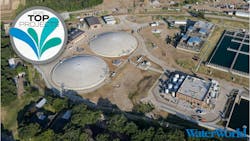
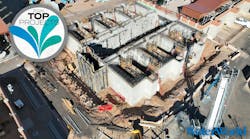
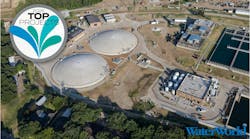
A phased construction approach proved essential. Early phases rerouted wash water to the city’s sanitary sewer system, allowing the demolition of failing wash water ponds and clearing space for a new wash water recycle basin and chemical building. Subsequent phases delivered two new 4-million-gallon clearwells—each nearly 200 feet in diameter—constructed on the footprint of the former ponds. Excavated material from 40 feet below grade was stockpiled on site to minimize truck traffic through surrounding neighborhoods.
“The Pierce Burch plant’s original design had only one electrical feed to the site, which would cause a shutdown if anything were to happen to that single line. When this project is complete, the plant will have two electrical feeder points and multiple generators, greatly reducing the chance that a power outage caused by extreme weather would lead to an interruption in water production,” said Arlington Water Utilities Senior Engineer Dylan Rumble, P.E., who leads the project team for the City.
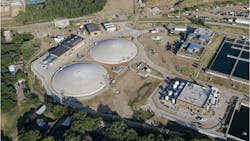
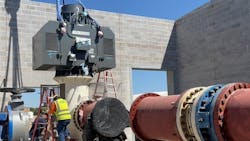
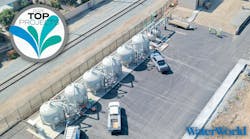
Later phases added bulk chemical containment, a new pump station, stormwater retention ponds, and multiple electrical buildings housing switches, transformers, and generators. These upgrades enable permanent power feeds, greater redundancy, and enhanced automation through new SCADA integration. Commissioning and startup are scheduled to begin in August 2025, with final demolition of legacy clearwells and completion of stormwater facilities in early 2026.
Coordination has been a defining feature of the project. Arlington Water Utilities has worked closely with the Texas Commission on Environmental Quality, power provider Oncor, and multiple city departments, while HDR, Archer Western, and Freese & Nichols have managed design, construction, and oversight through frequent coordination meetings and site walkthroughs.
Leadership transitions during construction also shaped the project’s long-term vision. With new utility leadership in place, Arlington made the decision to operate Pierce-Burch year-round once improvements are complete. This shift supports growing wholesale demand, reduces wear from seasonal shutdowns, and provides a critical backup if the Kubala plant experiences an outage.
When finished, the upgraded Pierce-Burch facility will deliver far more than new concrete and steel. Direct pumping to both of Arlington’s primary pressure planes, three new emergency generators, dual electrical feeds, and modernized power distribution will significantly enhance system resilience—ensuring the plant remains a cornerstone of Arlington’s water supply well into the future.
2025 Top Projects


About the Author
 Alex Cossin
Alex Cossin
Associate Editor
Alex Cossin is the associate editor for Waterworld Magazine, Wastewater Digest and Stormwater Solutions, which compose the Endeavor Business Media Water Group. Cossin graduated from Kent State University in 2018 with a Bachelor of Science in Journalism. Cossin can be reached at [email protected].